
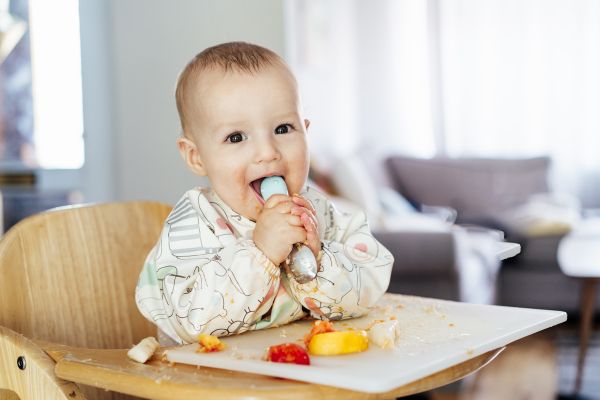
Feeding a baby often begins with tiny spoons, curious faces, and a surprising amount of cleanup. For many parents, the move into solids brings excitement mixed with questions. What should baby try first? How smooth should the texture be? How do you make fresh food without spending every free minute in the kitchen?
That is where interest in top baby food makers continues to grow. These appliances are designed to simplify the process of steaming, blending, reheating, or preparing small portions for infants and toddlers. Some are compact all-in-one machines. Others are simple tools that help parents batch cook and store meals efficiently.
No gadget can remove every challenge of feeding a child, but the right setup can make homemade food feel more realistic for busy households.
Why Parents Choose Homemade Baby Food
Homemade baby food appeals to many families for practical reasons. It can allow more control over ingredients, texture, freshness, and variety. Parents may want to introduce seasonal produce, avoid unnecessary additives, or simply use foods already in the family kitchen.
It can also become a natural extension of regular cooking. If vegetables are already being steamed for dinner, a portion can be reserved and blended for baby.
That said, homemade food is not the only valid option. Ready-made baby food can be useful, safe, and convenient. Many families combine both approaches depending on time and energy.
What a Baby Food Maker Actually Does
The term covers several types of products. Some machines steam ingredients and blend them in the same container. Others focus mainly on pureeing. Some include defrost or reheat functions for stored portions.
The main advantage is convenience. Smaller portions, simpler cleanup, and quick transitions from whole foods to baby-friendly textures can reduce friction during a busy stage of parenting.
For many people, convenience is what makes healthy intentions sustainable.
All-in-One Steam and Blend Models
Among top baby food makers, all-in-one designs are especially popular because they reduce steps. Ingredients can be chopped, steamed, and blended in one system without transferring hot food between pots and blenders.
That may sound minor, but less mess often means more consistent use. Parents managing naps, bottles, laundry, and sleep deprivation tend to appreciate anything that shortens the process.
These models often suit families making frequent small batches.
Simple Blenders and Mini Processors
Not every parent needs a dedicated baby appliance. A reliable blender or compact food processor can often handle purees, mashed vegetables, fruit blends, soups, and soft finger-food prep.
This option can be practical for families who prefer multi-use tools over niche gadgets. Once the baby stage passes, the appliance still serves everyday kitchen needs.
Sometimes the best baby gear is the item that remains useful afterward.
Hand Blenders for Quick Flexibility
Immersion blenders are underrated in this space. They can puree cooked vegetables directly in a bowl or pot, reducing dishes and storage demands.
They work especially well for small amounts, which matters when babies are just beginning solids and may eat only a few spoonfuls at a time.
For parents with limited counter space, hand blenders can be a smart alternative to larger machines.
Texture Matters More Than Perfection
One common misconception is that baby food must always be ultra-smooth. Early stages often begin with softer textures, but babies usually progress toward thicker purees, mashed foods, and age-appropriate texture exposure over time.
A food maker can help create consistency, but it should not lock families into one stage longer than needed.
Feeding development is gradual, and texture progression can be an important part of learning to eat.
Features Worth Considering
When comparing machines, think beyond marketing language. Ease of cleaning matters. Dishwasher-safe parts matter. Noise level may matter if naps are sacred in your home.
Capacity also matters. Some families prefer small fresh batches every few days. Others want larger batch prep sessions for freezing portions.
Reliable controls, sturdy blades, and intuitive assembly are often more valuable than flashy extras.
Safety and Materials
Anything used for infant feeding deserves attention to safety. Food-contact materials, secure lids, heat resistance, and stable operation are worth reviewing.
Parents should also follow standard food safety practices: washing produce, cooking foods appropriately, storing portions safely, and discarding leftovers that have been contaminated by used spoons.
No appliance replaces safe handling.
Batch Cooking Can Save Time
Many families discover that the smartest use of top baby food makers is not daily cooking, but periodic batch preparation.
Steaming sweet potato, peas, carrots, apples, lentils, or pears in larger amounts and freezing portions can make weekdays easier. Small containers or trays allow quick thawing later.
This approach reduces pressure to prepare something from scratch every single day.
Homemade Does Not Need to Be Fancy
Social media can make baby feeding look elaborate: rainbow puree grids, themed lunches, beautifully styled freezer systems. Real life is often simpler.
A mashed banana. Soft avocado. Cooked carrot puree. Oatmeal blended smoother. Yogurt paired appropriately for age and guidance. These ordinary foods can be entirely enough.
Parents do not need gourmet production values to feed a child well.
When a Dedicated Baby Food Maker Helps Most
Some households genuinely benefit from specialized machines. First-time parents who feel unsure about solids may appreciate guided simplicity. Families with limited time may value one-button routines. Grandparents helping with childcare may prefer easy systems.
If a tool reduces stress and increases confidence, it can be worthwhile.
Utility matters more than trendiness.
When You Might Skip One
Not everyone needs extra equipment. If you already own a good blender, cook often, or prefer baby-led weaning approaches with soft family foods, a dedicated maker may feel unnecessary.
Likewise, some parents begin with strong intentions for homemade purees and later realize convenience foods fit their life better.
Adaptation is normal. Parenting often involves changing plans without guilt.
The Emotional Side of Feeding
Feeding babies can become emotionally charged. Parents may worry about nutrition, choking, allergies, picky eating, or whether they are “doing it right.”
A baby food maker may simplify prep, but it cannot answer every feeding anxiety. What often helps more is flexibility, realistic expectations, and guidance from qualified pediatric professionals when concerns arise.
Babies learn gradually. Parents do too.
Choosing What Fits Your Home
The best choice usually depends on kitchen space, budget, cooking habits, and how you realistically live. A compact blender used consistently may be better than an expensive machine rarely touched.
Think about cleanup tolerance, freezer space, meal rhythm, and whether you enjoy cooking at all.
Practical honesty leads to better decisions than idealized shopping lists.
Conclusion
Exploring top baby food makers is really about finding tools that make feeding easier, calmer, and more sustainable for your household. Some families love all-in-one steamers. Others do well with blenders, hand mixers, or no dedicated appliance at all.
Fresh homemade purees can be wonderful, but simplicity matters just as much. In the end, the goal is not perfect meals or perfect gear. It is helping a child build a healthy relationship with food—one small spoonful at a time.