
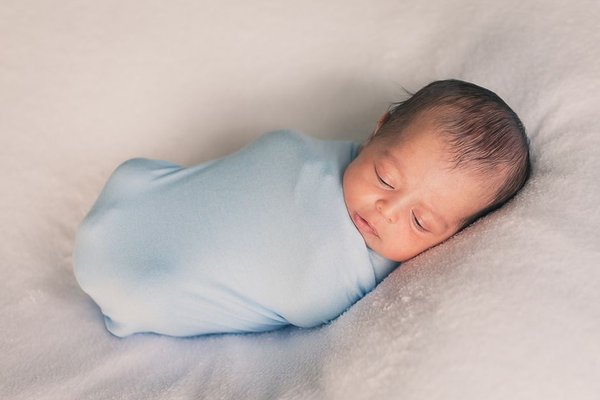
Swaddling can make a newborn feel contained and calm, but the safety question is bigger than how neatly a blanket is wrapped. A swaddle does not make sleep safer by itself, and it does not lower the risk of sudden infant death syndrome (SIDS). What matters is how swaddling fits into the rest of a safe sleep routine: back sleeping, a firm flat sleep surface, a clear crib or bassinet, comfortable temperature, free hip movement, and stopping at the first signs that a baby is trying to roll.
That distinction is useful for tired parents. You do not need a perfect wrapping technique to understand the core rules. If a baby is swaddled, the goal is comfort without restricting breathing, overheating, trapping the hips, or limiting a baby’s ability to respond safely once rolling begins.
Start with the safe-sleep setup, not the swaddle
Every swaddled baby should be placed fully on their back for every nap and nighttime sleep. Side sleeping is not a safer compromise because a baby can roll from the side onto the stomach. A swaddled baby who ends up face-down may have more difficulty using the arms and upper body to change position.
The sleep surface matters just as much. Use a firm, flat, non-inclined mattress in a safety-approved crib, bassinet, or play yard with a fitted sheet. Keep pillows, loose blankets, bumpers, stuffed toys, sleep positioners, and other soft items out of the sleep space. Swaddling should never be used to make an unsafe sleep location, such as a sofa, recliner, adult bed, swing, or inclined sleeper, acceptable for routine sleep.
Parents building a broader routine may also want to review newborn sleep safety and safe sleep space setup as separate topics, because the swaddle is only one small part of the picture.
Keep the baby snug around the upper body, but leave room to breathe
A swaddle should feel secure without squeezing the chest. It should stay below the shoulders and away from the mouth and nose, with no loose fabric that could work upward toward the face. If a commercial swaddle is used, follow its size and fastening instructions carefully and stop using it if the baby can wriggle free in a way that creates loose material.
Do not add weight. Current American Academy of Pediatrics guidance advises against weighted swaddles, weighted blankets, or placing weighted objects on a sleeping infant. Extra pressure on a baby’s chest is not a proven sleep-safety benefit and may make breathing or movement harder.
Give the hips and knees space to bend and move
Safe swaddling for a newborn should not pin the legs straight down and tightly together. The International Hip Dysplasia Institute recommends allowing the hips to stay flexed and move outward naturally, with the knees able to bend. Tight lower-body wrapping can place unwanted stress on a developing hip joint.
A practical way to think about it is “snug above, roomy below.” The fabric or swaddle sack can contain the upper body while the lower section remains loose enough for the legs to bend, spread, and kick. If the baby’s legs look forced into a straight, narrow position, adjust the wrap or choose a different product.
Avoid overheating
Swaddling adds a layer, so clothing should be chosen with the room temperature in mind. Avoid heavy wraps, hats during indoor sleep, or piling extra blankets on top of the swaddle. Signs that a baby may be too hot include sweating, damp hair, flushed skin, heat rash, or unusually rapid breathing.
Hands and feet often feel cooler than the baby’s trunk, so they are not the best place to judge temperature. Check the chest, back, or back of the neck instead. The baby should feel comfortably warm, not hot or sweaty.
Know when to stop swaddling
The safest answer to when to stop swaddling is based on development, not a fixed birthday. Stop as soon as the baby shows signs of trying to roll. Rolling can begin earlier than many parents expect, sometimes around 2 months, so waiting until a baby has already completed a full roll is not a good plan.
Early signs can include repeated twisting to the side, stronger shoulder and hip rotation, or attempts to push and turn during sleep or awake time. Once these behaviors appear, move to an arms-free wearable blanket or sleep sack that does not restrict the chest or hips.
For example, imagine a 9-week-old who has never rolled over but has started lifting the hips and repeatedly tipping onto one side in the crib. That change is enough to rethink the swaddle. The safer move is to stop before the first successful roll rather than waiting for proof that rolling has fully arrived.
What swaddling can and cannot do
Some newborns settle more easily when swaddled, and that can be helpful during the early weeks. But swaddle sleep safety depends on keeping expectations realistic. Swaddling may soothe a baby; it is not a treatment for poor sleep, reflux, colic, or SIDS prevention. If a baby repeatedly fights the swaddle, becomes very hot, escapes from it, or simply sleeps comfortably without it, there is no requirement to keep swaddling.
Tummy time is also separate from swaddling. Babies need supervised, awake tummy time to build strength and practice movement. Sleep should still begin on the back, while tummy time happens only when the baby is awake and watched closely.
FAQ
Is it safe for a newborn to sleep swaddled all night?
It can be appropriate for a newborn to sleep swaddled if the baby is placed on the back on a firm, flat, clear sleep surface, the wrap is not weighted or too tight, the hips can move freely, and the baby is not showing signs of trying to roll. The swaddle should remain secure and away from the face.
Can I swaddle a baby who sleeps on their side?
No. A swaddled baby should be placed on the back for every sleep. Side positioning is unstable and can lead to stomach sleeping. Once a baby is trying to roll, swaddling should be discontinued.
Should a newborn’s legs be straight inside a swaddle?
No. The legs should have room to bend at the hips and knees and move outward naturally. Tightly binding the legs straight can increase the risk of hip problems.
Is a sleep sack the same as a swaddle?
Not always. Some sleep sacks wrap or restrain the arms and function as swaddles, while standard wearable blankets leave the arms free. After rolling attempts begin, use an arms-free option that allows normal movement.
A safer swaddle is part of a bigger routine
Newborn swaddling safety is less about mastering a particular fold and more about knowing the boundaries. Start every sleep on the back, use a firm and empty sleep space, keep fabric away from the face, avoid overheating and added weight, leave plenty of hip room, and stop swaddling as soon as rolling attempts appear. Those rules help keep swaddling in its proper role: an optional comfort tool during early infancy, not a substitute for a complete safe-sleep routine.