
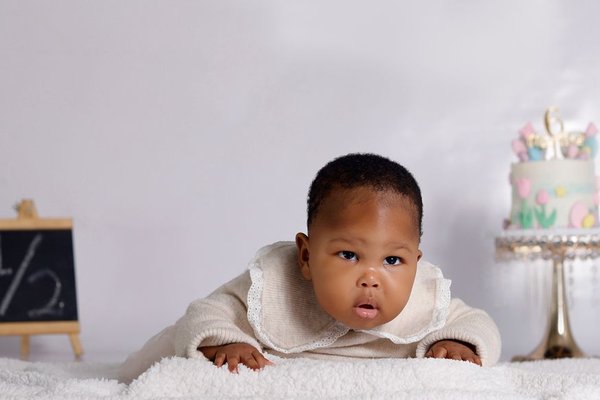
At ten months, your baby may suddenly seem determined to investigate every corner of the room. One day they are reaching for a favourite toy; the next, they are working out how to get there. Another baby the same age might be happiest sitting and studying objects. Both can be making progress.
Understanding 10 month old baby milestones is less about ticking off a rigid checklist and more about noticing changes in movement, communication, curiosity and relationships. Here is what you might see, what could develop next and when to seek advice.
What milestones might a ten-month-old reach?
Many babies are strengthening skills that appeared around nine months and practising abilities that become more common towards their first birthday. There is no checklist that every baby must complete precisely at ten months. Even babies born on the same day can follow different paths.
When comparing baby milestones by month, look for progress over time. A skill may appear occasionally before it becomes reliable. Emerging abilities matter, not just completed ones.
Physical development: moving with purpose
Sitting and getting around
Many ten-month-olds sit without support, twist towards toys and move between positions. Some crawl on hands and knees, while others bottom-shuffle, roll or move differently. The NHS explains that crawling often begins around seven to ten months, but not every baby crawls.
Not crawling at ten months, by itself, does not mean something is wrong. Overall movement and development are more informative than any single way of travelling.
Pulling up and standing
Some babies pull themselves upright against stable furniture. Others are still practising balance and changing positions on the floor. Pulling to stand is commonly listed as a milestone by around one year, so it is not required at ten months.
Offer supervised floor play rather than trying to make your baby stand or walk. Secure furniture and remove dangling cords as their reach expands.
Fine motor skills: clever little hands
Ten-month-old babies often move objects between hands, bang toys together and turn things over. Reaching becomes more accurate, and they may start releasing something deliberately rather than simply dropping it.
A thumb-and-finger grip may emerge, although a neat pincer grasp develops at different times. Choosing a toy, adjusting a grip and exploring its shape are meaningful parts of 10 month baby development.
Place two large, baby-safe objects within reach and see whether your baby swaps hands or brings them together. Keep coins, button batteries and small toy parts away from exploring fingers and mouths.
Cognitive milestones: learning through experiments
Your baby is becoming a problem-solver. They may drop an object repeatedly, investigate a container or search for a toy that has partly disappeared.
Understanding that something still exists when hidden, known as object permanence, develops gradually. A baby might find a clearly hidden toy but struggle with a more complicated game.
Try showing your baby a favourite soft toy and partly covering it with a lightweight cloth. Pause to see if they reach for it. If not, reveal it with a smile and try again another day. It is a game, not a test.
Communication milestones: more than first words
Many babies babble with repeated sounds such as “ba-ba” or “da-da”, experiment with tone and take turns making noises. They may look when you call their name or recognise familiar words and voices.
Repeated syllables do not necessarily mean a baby is using meaningful words yet. Listening, gestures and responding to others are also important parts of communication.
Follow what catches your baby’s attention. If they notice a dog outside, say, “There is the dog. The dog is walking.” Pause for a noise or expression in return. NHS advice encourages naming things you both see, sharing books and answering babbling.
Our guide to early baby communication milestones explores how these exchanges develop into language.
Social and emotional development
At ten months, your baby may prefer familiar people and favourite games. Some become upset when a parent leaves or cautious with unfamiliar faces. Separation anxiety and stranger wariness are common, although their intensity varies.
Peekaboo can be especially entertaining: your baby may smile in anticipation before you reappear. They might also imitate a clap, expression or sound, though not consistently.
Respond to invitations to interact. A smile or excited noise can be your baby’s way of starting a conversation.
Simple ways to support development
You do not need expensive gadgets or structured lessons to encourage 10 month developmental milestones. Safe floor space and everyday interaction offer plenty of practice.
Set a favourite toy a short distance away, close enough to invite interest without frustration. Read a sturdy picture book, name the objects and leave room for a response. Pass a large soft ball back and forth, allowing your baby to lead.
Rather than comparing children, jot down observations such as “reached for a toy while sitting” or “looked towards Dad when he spoke”. Reviewing them weeks later can reveal progress. Our baby development milestones by month guide provides more context.
When to speak to your health visitor or GP
Variation is normal, but you never need to ignore a concern. Seek advice if your baby loses a previously acquired skill, is not sitting independently, makes very few sounds, does not respond to familiar sounds or their name, moves one side much more than the other, or raises concerns about hearing, vision or movement.
These observations are not diagnoses. Your health visitor or GP can consider medical history and overall development. If your baby was born prematurely, ask whether corrected age should be used.
In England, the NHS offers a developmental review between nine and twelve months, often supported by an Ages and Stages Questionnaire. You can raise concerns sooner. Our guide to the nine-to-twelve-month development review explains what to expect.
Frequently asked questions
Should my ten-month-old be crawling?
No single movement style is required. Some crawl, others move differently, and some are developing mobility. The NHS advises asking your health visitor if your baby shows no signs of moving by twelve months, or earlier if concerned.
Should a ten-month-old be walking?
No. Independent walking is not expected of every ten-month-old. Some pull to stand while others focus on sitting, exploring and balancing.
How many words should a ten-month-old say?
There is no required word count. Babbling, listening, responding and exchanging gestures can tell you more about communication than counting clear words.
What if my baby is behind on one milestone?
One difference from an age chart does not automatically indicate a problem. Consider overall progress and speak with a health visitor or GP, especially if skills have been lost.
Looking at the bigger picture
Ten-month-old development happens through small discoveries: a steadier reach, a sound that gets a response or a hidden toy worth searching for. Give your baby room to practise, notice their interests and ask for help whenever something worries you. Progress matters more than reaching every milestone on a particular date.