
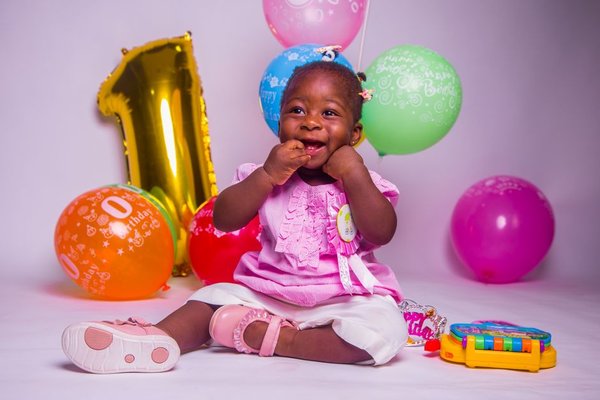
One day your baby sits between your legs with your hands around their waist. A few weeks later, they plant a palm on the floor to catch a wobble. Eventually, those hands are free to explore a toy. Baby sitting milestones are not one sudden event but a sequence of small improvements in head control, trunk strength and balance.
Knowing what to watch for can be more reassuring than timing how many seconds your baby stays upright. Here is how supported sitting gradually becomes independent sitting, and how to encourage that progression safely.
When do babies sit up?
Babies often begin practising supported sitting in the middle of their first year. Around six months, many can lean forward on their hands while sitting. Unsupported sitting commonly develops during the six-to-nine-month period; by around nine months, many babies can sit without support and begin getting into sitting themselves.
These ages are guides, not a competition. An individual baby’s progress can vary. If your baby was born prematurely, health professionals may assess development using corrected age, particularly during the first two years. Ask your health visitor how to apply this to your child.
Four stages of sitting development
Head control comes first
Before sitting, babies develop the ability to lift their head during tummy time, push up through their arms and turn towards interesting sounds and faces. Their tummy and back muscles strengthen as they move on the floor. Head control is an important foundation, but it does not automatically mean they can balance without help.
Supported sitting builds confidence
Early supported sitting milestones involve an adult providing stability around the body or hips. Your baby starts taking more responsibility for keeping their head and trunk upright, although they may slump forward or lean sideways when support is reduced.
Try sitting together on the floor, with your baby between your legs and your hands supporting their body. Keep the experience playful and brief. As their balance improves, offer only as much support as they need, remaining ready to catch them.
Tripod sitting introduces self-support
Next comes a recognisable position: legs in front, body leaning slightly forward, and one or both hands touching the floor. This is often called tripod sitting. Around six months, using the hands for support is a common developmental sign.
Your baby may manage several seconds, then tip when a toy catches their attention. Look for the attempts to recover balance, not just the falls. Learning when to use an arm for support is an important part of baby balance development.
Hands-free sitting allows more exploration
As trunk control develops, your baby can sit upright with both hands free, turn their head and reach for nearby toys. At first, they may still topple when stretching beyond their comfortable range. Gradually, they learn to shift weight and recover from small wobbles.
There is another distinction worth knowing: a baby may sit steadily when placed upright but not yet move into sitting from lying down. Holding a sitting position and getting into that position are separate skills.
Look for progress during ordinary play
Imagine your seven-month-old on a firm play mat. This week, they need your hand at their hip to reach a soft block. Later, they lean onto one palm while picking it up with the other. Eventually, they hold the block with both hands, turn towards your voice and remain upright.
That series of changes tells you more than a single photograph of a sitting baby. Other encouraging signs include steadier head movements, less adult support, catching a sideways lean and returning to an upright position. Tiredness or illness can temporarily affect performance, so notice patterns over time.
Practical ways to encourage independent sitting
Prioritise varied floor play
Offer regular play on a safe, firm surface. Supervised tummy time while your baby is awake develops muscles used in rolling and sitting. Begin with short periods they tolerate comfortably, then build gradually. Reaching for toys while lying on the back also encourages coordination.
Our guide to tummy time for babies offers related play ideas. Sitting practice works best as part of varied movement, rather than replacing opportunities to roll, reach and change position.
Make reaching manageable
Place a stable toy just in front of a baby practising supported sitting. The goal is for them to look and reach without having to lunge. When they become steadier, shift the toy slightly to one side to encourage gentle changes in weight distribution.
Stay at floor level and support the trunk or hips when necessary. Never force a baby into sitting if they cannot comfortably control their head. You may also find our baby rolling milestones guide useful for understanding how balance develops through turning movements.
Avoid relying on baby seats
NHS guidance advises against keeping babies for long periods in seats that hold them in a sitting position, because restricted movement can delay learning to sit independently. Floor play lets them use their own muscles. Never leave a sitting baby unattended or practise on elevated surfaces such as sofas and beds, where a fall could cause injury.
When to ask your health visitor or GP
If your baby is not sitting independently at around nine months, contact your health visitor or GP for advice. NHS children’s services use this as a useful developmental checkpoint while recognising that children progress at different rates. You need not wait until then if something concerns you.
Seek advice earlier if your baby seems very floppy or unusually stiff, struggles significantly with head control, moves one side much more than the other or loses an ability they previously had. A clinician can consider sitting alongside other aspects of development.
When asking for help, describe what happens during supervised play: how much support your baby needs, whether they catch a wobble and what has changed recently. For a broader picture, explore our baby movement milestones overview.
Frequently asked questions
Is it normal for a six-month-old to need support while sitting?
Yes. Many babies this age lean on their hands or need an adult nearby. Steadily improving control matters more than sitting hands-free immediately.
Can a baby sit independently without getting into sitting alone?
Yes. Remaining balanced when placed upright and moving into sitting from lying down are different developmental achievements.
Do baby seats help babies learn to sit faster?
There is no need to buy a special seat to teach sitting. Supervised floor play and responsive adult support provide opportunities to practise balance and movement. Avoid prolonged time in restrictive seats.
What if my nine-month-old cannot sit without support?
Speak to your health visitor or GP for an individual assessment, considering corrected age if your baby was premature. Seek help sooner if you notice other developmental concerns or lost skills.
Small changes add up
Independent sitting grows from many little victories: holding the head steady, using a palm for support and eventually reaching with both hands without toppling. Give your baby room to move, offer gentle support and observe how their balance changes. If their progress worries you, a health visitor can help you decide what support is appropriate.