
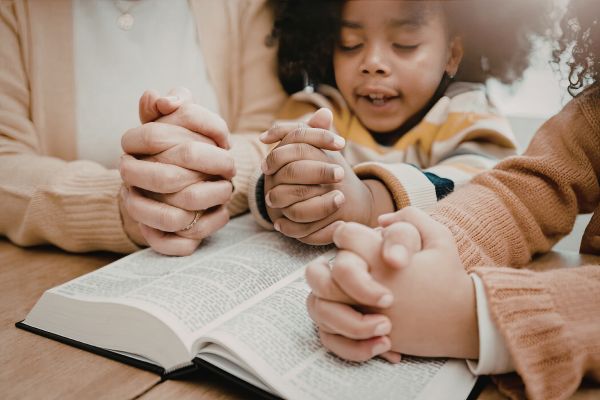
Teaching children under the age of 10 about faith is a beautiful and meaningful responsibility. At this stage, children are naturally curious, imaginative, and eager to learn through experience. This makes early childhood the perfect time to introduce faith in a way that feels warm, engaging, and easy to understand. Rather than focusing on complex theology, the goal is to help children build a loving relationship with God and understand core values like kindness, gratitude, and compassion.
Start with Simple Daily Routines
Young children thrive on routine, so one of the most effective ways to teach faith is by incorporating it into everyday moments. Begin with short and simple prayers that children can easily memorize. For example, a bedtime prayer thanking God for the day or a short blessing before meals helps children associate faith with comfort and consistency.
Keep these moments relaxed and positive. Even one or two minutes of prayer can make a lasting impression. Over time, children begin to understand that faith is part of their daily life, not something separate or occasional.
Use Storytelling to Bring Faith to Life
Children under 10 learn best through stories. Bible stories are especially powerful because they are filled with clear lessons about love, courage, forgiveness, and trust. Choose stories that are easy to follow, such as Noah’s Ark, David and Goliath, or the birth of Jesus.
Make storytelling interactive. Ask questions like, “What would you do in this situation?” or “Why do you think this person made that choice?” You can also use voices, gestures, or simple props to make the stories more engaging. The goal is to help children connect emotionally with the message.
Illustrated children’s Bibles are especially helpful at this age because visuals make it easier for kids to understand and remember what they learn.
Create a Small Prayer Space at Home
Designating a special place for prayer can make faith feel tangible and meaningful. This does not need to be elaborate. A small shelf or corner with a cross, a candle, and a simple image of Jesus or the Virgin Mary is enough.
Let children help set up this space. When they participate, they feel a sense of ownership and connection. Encourage them to visit this space for quiet moments, short prayers, or even just to reflect.
Holyart offers a wide variety of items that are perfect for creating a child-friendly prayer corner, including small crosses, colorful rosaries, and gentle, welcoming statues that are not intimidating for young children.
Teach Through Actions and Everyday Moments
Children learn most by observing. Acts of kindness, patience, and forgiveness are powerful lessons in faith. When you help someone, share with others, or show gratitude, explain why. For example, you can say, “We help others because it is a way of showing love, just like Jesus taught us.”
You can also turn everyday situations into teaching moments. If a child is upset, guide them to say a short prayer. If something good happens, encourage them to say thank you to God. These small connections help children understand that faith is part of real life.
Incorporate Music, Art, and Play
Young children connect deeply with creativity. Singing simple songs about faith, drawing pictures of Bible stories, or acting out scenes can make learning enjoyable and memorable.
You might create a weekly activity where children draw their favorite Bible story or make a small craft related to a religious holiday. This approach keeps faith engaging and prevents it from feeling like a lesson or obligation.
Celebrate Faith-Based Traditions
Children under 10 love celebrations and traditions. Use holidays like Christmas and Easter as opportunities to teach deeper meaning. Explain why these days are important and include simple traditions such as lighting candles, setting up a nativity scene, or participating in family prayers.
Holyart provides beautiful handcrafted guardian angel statues, candles, and seasonal decorations that can help bring these traditions to life in a way that children can see and understand.
Encourage Questions and Curiosity
Children will naturally ask questions about faith, and this is a good thing. Encourage their curiosity and answer in simple, honest ways. If you do not know an answer, it is perfectly fine to explore it together.
Creating an open and supportive environment helps children feel comfortable forming their own understanding of faith.
Choose Tools Designed for Children
Using age-appropriate items can make a big difference. Rosaries made for small hands, illustrated books, and gentle imagery help children feel more connected and less overwhelmed.
Holyart offers a wide range of products specifically suited for families and children. From colorful rosaries to child-friendly statues and meaningful gifts for milestones like First Communion, these items help make faith accessible and engaging.
Building a Strong Foundation Early
Teaching faith to children under 10 is about consistency, love, and simplicity. It is not about having all the answers, but about creating an environment where faith is lived and experienced daily.
By combining routines, storytelling, creativity, and meaningful tools from Holyart, you can help children develop a strong spiritual foundation that will grow with them. These early experiences shape how they see the world, how they treat others, and how they understand their place in a life guided by faith.