
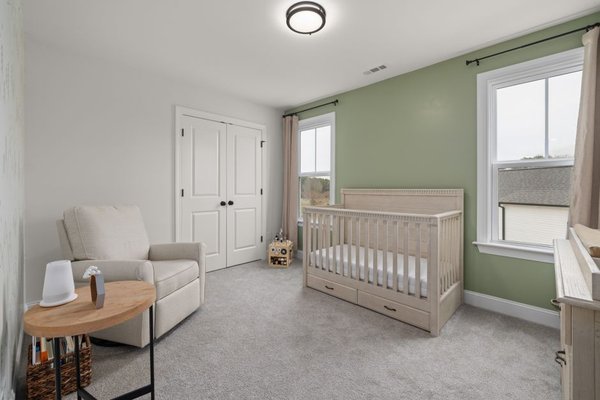
If you’ve ever stood in a box room clutching a tape measure, wondering how on earth a cot, a wardrobe and a changing table are meant to fit alongside a door that needs to open, you’re not alone. Small nursery room ideas are one of the most searched topics among UK parents, and for good reason: the average British home simply wasn’t built with a dedicated baby room in mind. Terraced houses, Victorian conversions and new-build flats often leave parents with a spare room the size of a large cupboard. The good news is that clever nursery design has never been more accessible, and a compact space can feel just as calm, characterful and functional as a sprawling one — sometimes more so.
This guide walks through practical, realistic small nursery room ideas for UK homes, covering layout, furniture, storage and decor, so you can make the most of every square foot without sacrificing style or safety.
Why Small Spaces Need a Different Approach to Nursery Design
Nursery design for a box room isn’t simply a scaled-down version of a large room plan. When floor space is limited, every item needs to justify its place. Instead of asking “what would look nice here?”, it helps to ask “what does this room actually need to do?” A nursery typically needs to support three things: sleeping, changing and storage. Once those three priorities are settled, everything else — the rug, the artwork, the reading nook — can be layered in around them.
In small spaces, visual clutter reads as physical clutter, even if the room is technically tidy. That’s why a considered colour palette and a few multi-purpose pieces of compact nursery furniture will do far more for the room than trying to squeeze in every item from a baby registry.
Planning the Layout of a Box Room Nursery
Before buying anything, map out the room on paper or with a free floor-planning app. In a typical UK box room (often around 6ft x 8ft), the cot usually anchors one wall, ideally away from radiators, windows and trailing blind cords. Once the cot is placed, work outward.
Keep Pathways Clear
Leave enough space to open the cot side (if using a drop-side or convertible model) and to move around comfortably during night feeds, when you’re tired and not thinking about tripping hazards. A general rule for a box room nursery is to keep at least 60cm of clear floor space around the cot where possible.
Use Vertical Space
When floor space runs out, the walls become your best friend. Tall, narrow shelving units, wall-mounted storage and hanging organisers all free up valuable floor area while keeping essentials within reach. This is one of the simplest small nursery room ideas that instantly makes a compact room feel more organised.
Choosing Compact Nursery Furniture That Works Harder
Furniture is where most small nurseries either succeed or become cramped. The key is choosing pieces that serve more than one purpose.
Cots That Convert
A cot bed that later converts into a toddler bed saves you buying (and storing) a second piece of furniture down the line. Many UK brands now offer compact or mini cot beds specifically designed for smaller rooms, which can be a genuinely useful investment.
Changing Tables With Built-In Storage
Rather than a separate changing table and chest of drawers, look for a changing unit that sits on top of a drawer chest. This is one of the most space-efficient pieces of compact nursery furniture available, and it also doubles as extra surface space once nappy days are over.
Wardrobes vs. Open Rails
A full wardrobe can dominate a small nursery. Some parents find an open hanging rail with woven baskets underneath achieves the same storage goal while feeling far less bulky, especially in a baby room where clothes are small and don’t need much hanging depth.
Nursery Storage Ideas for Every Awkward Corner
Storage is usually the biggest headache in a small nursery, but awkward corners, alcoves and under-window space can all be put to work.
Under-Cot Storage
Look for cots raised on legs with enough clearance underneath for flat storage boxes. This reclaims otherwise wasted space for spare bedding, nappies or seasonal clothing.
Door-Back Organisers
A fabric or wire organiser on the back of the door can hold nappies, wipes, muslins and toiletries without taking up any floor or wall space elsewhere.
Floating Shelves Above the Changing Area
Open shelving above (not directly over, for safety reasons around the changing area itself) or beside the changing unit keeps everyday items visible and grabbable, which matters a great deal during those early bleary-eyed months.
Decor Tricks That Make a Small Nursery Feel Bigger
Once the practical layer is sorted, decor is where a nursery gets its personality — and where you can trick the eye into perceiving more space than there actually is.
Light, Warm Colour Palettes
Soft neutrals, warm whites and gentle pastels reflect light and make walls feel like they’re receding rather than closing in. A single accent wall in a slightly deeper tone can add character without shrinking the room visually.
Mirrors and Reflective Surfaces
A well-placed mirror bounces natural light around the room and creates the illusion of depth, a classic trick that works just as well in a nursery as any other small space.
Layered Lighting
Relying on a single overhead light can make a small room feel flat and functional. A dimmable lamp or plug-in night light adds warmth for night feeds and softens the overall atmosphere.
Making the Most of Window Space
In many UK box rooms, the window is the room’s best asset. Rather than blocking it with furniture, consider a cushioned window seat or a slim shelf beneath it that doubles as a display spot for books and soft toys. Just be sure blinds are cordless or fitted with safety devices, as required for any nursery.
Frequently Asked Questions
How small is too small for a nursery in a UK home?
There’s no official minimum, but most parents find a room needs to be at least large enough to fit a cot with safe clearance on at least one side, plus a small changing area. Even a box room of around 6ft x 8ft can work well with the right compact nursery furniture and layout.
What is the best furniture for a small nursery?
Multi-purpose pieces tend to work best: a cot bed that converts as your child grows, a changing unit built on top of drawers, and wall-mounted or vertical storage rather than bulky freestanding units.
How can I add storage to a small nursery without built-in wardrobes?
Look at under-cot storage boxes, door-back organisers, floating shelves and open hanging rails with baskets underneath. These nursery storage ideas add capacity without needing structural changes to the room.
Do small nurseries need different colours to larger rooms?
Not strictly, but lighter, warmer palettes tend to make small spaces feel more open, while a single deeper accent wall can add personality without overwhelming the room.
A small nursery doesn’t have to feel like a compromise. With thoughtful nursery design, furniture that earns its keep, and a few well-placed storage solutions, even the tightest box room in a UK home can become a genuinely lovely, functional space for your baby’s first months and beyond.