
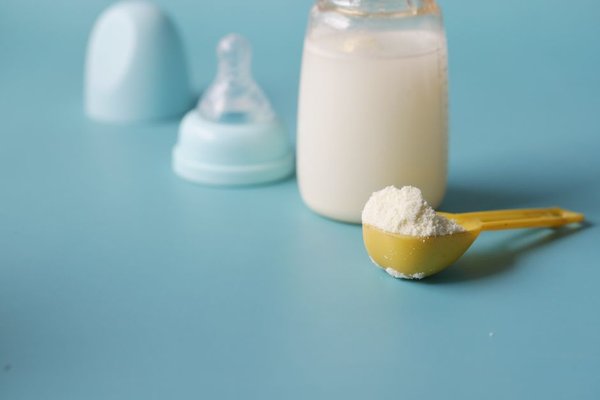
How much formula should a baby drink? It is a simple question with an answer that changes as your baby grows. A newborn may take small, frequent feeds, while an older baby may drink larger bottles less often. Even babies of the same age can have very different appetites. The most useful approach is to combine sensible daily guidelines with your baby’s hunger signals, wet nappies and growth, rather than trying to hit the same number at every feed.
How much formula does a baby need each day?
After the first week, many formula-fed babies need approximately 150–200ml of prepared formula per kilogram of body weight over 24 hours until around six months. This NHS guideline is an estimate, not a requirement to finish a particular quantity. For example, a baby weighing 5kg might drink roughly 750–1,000ml across the day. Some healthy babies take more or less, and individual advice from a midwife, health visitor or clinician takes priority.
Once solid foods become established, formula intake usually reduces gradually. At seven to nine months, around 600ml a day is a useful guide; by ten to twelve months, around 400ml may be typical. These later figures are also flexible. Breast milk or first infant formula remains the main milk drink throughout the first year.
Formula amount by age: what changes?
Newborns and the first few weeks
In the first days, babies’ stomachs are small and they often want little feeds frequently. Do not use the weight-based daily estimate as a rigid target immediately after birth. Offer a bottle when your baby shows hunger cues, allow pauses and let them stop when satisfied. Night feeds are normal. Your maternity team can advise if your newborn was premature, has jaundice, is struggling to feed or needs a particular feeding plan.
From one month to around six months
Many babies gradually settle into their own rhythm, but there is no universal bottle size or feeding timetable. The 150–200ml-per-kilogram calculation can help you sense-check overall baby milk intake across 24 hours. A larger feed does not necessarily mean a longer gap before the next one. Growth spurts, illness and developmental changes can temporarily alter how often your baby wants milk.
From six months to the first birthday
When you start introducing solids at around six months, keep offering usual milk feeds. Early tastes of food do not replace much milk straight away. As meals increase, formula feeding amounts may fall naturally. The NHS suggests around 600ml daily at seven to nine months and around 400ml at ten to twelve months, but appetite and food intake vary. There is no need to switch to follow-on formula; first infant formula can remain your baby’s milk drink until twelve months.
How to turn a daily guideline into bottle feeds
Think of the daily quantity as a rough reference, not a schedule you must enforce. Suppose your four-month-old weighs 6kg. The broad calculation gives 900–1,200ml in 24 hours. If your baby happens to have six feeds, that works out at an average of 150–200ml per feed. They might instead drink 120ml in the morning, take more later and wake for another feed at night. The daily pattern matters more than matching identical bottles.
For a practical check, write down what your baby actually drinks for a day or two, including night feeds, rather than adding up what you prepared. If they routinely leave milk behind, try preparing an appropriately smaller bottle next time instead of encouraging them to finish. Never change the powder-to-water ratio to adjust calories or make the feed last longer.
Follow feeding cues, not just the clock
Early hunger signs include stirring, turning towards a touch near the mouth, opening the mouth, sucking hands or becoming restless. Crying can be a late sign, and a crying baby may need calming before feeding comfortably. Offer milk responsively rather than making your baby wait for a set time.
During a feed, hold your baby close and keep the bottle nearly horizontal so milk does not flow too quickly. Give them opportunities to pause. Slower sucking, relaxed hands, turning the head away, pushing out the teat or losing interest can signal fullness. Do not insist on the last 30ml simply because it is left in the bottle. Responsive feeding helps your baby regulate their appetite.
How can you tell if your baby is getting enough?
A measured bottle is only one part of the picture. Weight gain along your baby’s growth pattern, their general alertness and their nappies are often more meaningful. After the first several days, the NHS advises expecting about six heavy wet nappies daily, with clear or pale-yellow urine. Nappy patterns in the earliest days are different, so ask your midwife what to expect for your baby’s age.
If your baby seems persistently hungry, regularly refuses feeds, is not gaining weight as expected or produces fewer wet nappies, speak with your health visitor or GP. Seek urgent medical advice if your baby is unusually drowsy, difficult to wake, showing signs of dehydration or unable to keep feeds down. Do not wait for a daily intake total to confirm something is wrong.
Keep the prepared formula safe
Formula quantity and preparation are separate decisions. Follow the instructions on the tin precisely, using the manufacturer’s scoop and stated water volume. UK NHS guidance advises making powdered formula with freshly boiled water that is still at least 70°C when mixed with the powder, then cooling it before feeding. Never add extra powder, water, cereal or sugar. Throw away any milk left in the bottle after a feed.
For more help with the practical routine, related guides on paced bottle feeding, making up formula safely and introducing first solid foods can sit alongside this feeding guide.
Frequently asked questions
Should a baby finish every bottle?
No. Babies often stop when they have had enough. If your baby turns away, slows down or refuses the teat, respect that signal. Forcing the final few millilitres can make feeding uncomfortable.
Is 200ml too much for one feed?
Not necessarily. The right amount depends on your baby’s age, weight, appetite and number of feeds. Look at their overall feeding pattern and wellbeing rather than judging one bottle in isolation.
Why is my baby suddenly drinking less formula?
Temporary changes can happen with minor illness, teething or the introduction of solids. Monitor nappies and behaviour. Contact a health professional if reduced intake persists or your baby seems unwell, especially if they are very young.
Does my baby need vitamins if they drink formula?
UK guidance recommends vitamin supplements containing vitamins A, C and D from six months for babies having less than 500ml of formula daily. Ask your health visitor about the right supplement and any individual circumstances.
The most useful number is only a starting point
There is no single perfect formula amount by age. Use the daily estimates to understand the broad range, then trust the signals your baby gives you: steady growth, regular wet nappies, comfortable feeds and clear signs of satisfaction. When those pieces do not seem to fit together, your midwife, health visitor or GP can help you work out what your baby needs.