
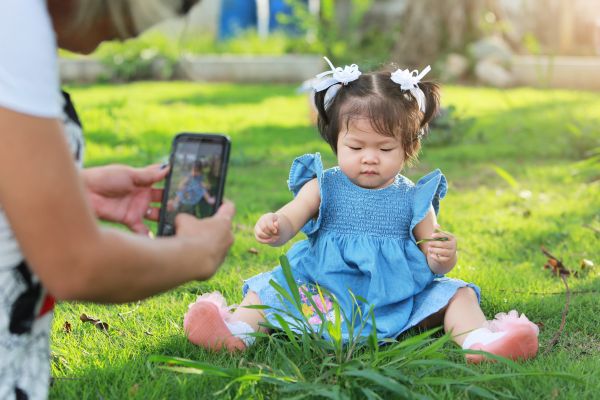
A baby’s first year seems to move at two completely different speeds. The sleepless nights can feel endless, yet the months somehow disappear before anyone has time to notice. One day, a newborn is curling tiny fingers around yours. A few weeks later, that same baby is smiling, rolling over, sitting up, and reaching for everything nearby.
Monthly photographs offer a simple way to hold onto those changes. They do not need to look like professional studio portraits, and they certainly do not need to be perfect. The most meaningful images often come from an ordinary corner of the home, a familiar blanket, and a baby behaving exactly as babies do.
Learning how to take monthly baby photos is less about buying props and more about creating a routine that feels manageable. With consistent lighting, a safe setup, and a little patience, parents can build a collection of images that tells the story of an entire year.
Choose a Simple Photo Style Before You Begin
Before taking the first monthly picture, decide what kind of visual story you want the photographs to create. Some parents prefer a clean, minimal setup with a plain blanket and a small milestone card. Others enjoy seasonal decorations, colorful clothing, or playful themes that change every month.
There is no correct style. The best choice is one that can realistically be repeated without becoming stressful.
A complicated scene may look beautiful during the newborn stage, but it can become difficult once the baby starts rolling, crawling, or grabbing the decorations. A simple background gives you more flexibility as your baby becomes active.
Think about where the photographs will eventually be displayed. Neutral images often look cohesive in a printed album or wall collage. More imaginative setups can capture the personality of each month and make the final collection feel lively.
Whatever style you choose, leave room for real life. A wrinkled blanket, a missing sock, or a curious expression can make the photograph more memorable, not less.
Use the Same Background for a Consistent Look
Consistency is what makes a monthly photo series visually satisfying. When the background stays similar, the baby’s growth becomes the main focus.
A large blanket, plain bedsheet, rug, or cushioned chair can work well. Choose something that will remain available throughout the year. Avoid using a temporary item that may be difficult to replace later.
The background does not need to be completely plain, but it should not compete with the baby. Soft textures and subtle patterns usually photograph better than busy prints. Neutral shades such as cream, beige, pale grey, or muted blue also make it easier to change outfits without creating clashing colors.
Using the same space each month also helps with framing. You will gradually learn where to place the baby, how far away to stand, and which camera angle works best.
As the months pass, familiar surroundings make the changes even more noticeable. A blanket that once seemed enormous may look surprisingly small by the baby’s first birthday.
Find Soft Natural Light
Good lighting can improve a photograph more than an expensive camera. Natural light is usually the easiest and most flattering option for monthly baby pictures.
Choose a room with a large window and take the photograph when the light is bright but indirect. Harsh sunlight can create strong shadows and cause the baby to squint. Soft morning light or late-afternoon light often produces gentler results.
Place the baby near the window rather than directly underneath it. Let the light fall across the face from the side or at a slight angle. This adds dimension while keeping the skin tone natural.
Turn off strong overhead lights if they create yellow or uneven color. Mixing natural daylight with artificial lighting can sometimes make photographs look strange, especially when using a phone camera.
Pay attention to the same location at different times of day. After a few attempts, you will know when the room looks its best. Taking the monthly photograph at roughly the same time can also make the finished collection feel more consistent.
Pick a Comfortable and Safe Position
Safety should always come before the appearance of the photograph. Newborns and younger babies are often easiest to photograph while lying flat on a firm, comfortable surface. A blanket placed on the floor is usually safer than a high bed or table.
Never leave the baby unattended, even for a moment. Keep small props, cords, sharp objects, and loose decorations out of reach.
As the baby grows, the pose can change naturally. A baby who can sit steadily may be photographed sitting against a simple background. Crawling babies may be easier to capture while moving rather than trying to keep them still.
Do not force a position simply because it matches an earlier photograph. Development happens at different stages, and the changing poses can become part of the story. A newborn lying quietly, a six-month-old sitting proudly, and a ten-month-old crawling away from the setup show far more personality than perfectly matched poses.
Include a Clear Monthly Marker
A visible age marker helps viewers understand the timeline immediately. It can be as simple as a card reading “Three Months” or a wooden number placed beside the baby.
Fabric numbers, letter boards, milestone discs, blocks, and handwritten paper signs are all popular choices. Use whatever feels easy and suits the style of the photographs.
Keep the marker large enough to read but small enough that it does not distract from the baby. Place it near the shoulder, feet, or side of the body where it will remain visible without covering important details.
Once babies begin grabbing objects, milestone cards may not stay in place for long. Instead of repeatedly taking the marker away, allow the baby to interact with it for a few frames. A photograph of a baby chewing the “Eight Months” card may become one of the funniest pictures in the series.
You can also take one photograph with the marker and several without it. This provides options when creating an album later.
Dress the Baby Without Overcomplicating the Outfit
Clothing should support the photograph rather than become the entire focus. Solid colors, soft fabrics, and simple patterns tend to photograph well.
Some parents use the same type of outfit every month, such as a white bodysuit. This makes physical growth easy to see. Others choose clothing that reflects the season or the baby’s changing personality.
Comfort matters more than style. If an outfit feels itchy, tight, hot, or difficult to move in, the baby may become unsettled before the photographs even begin.
It is also wise to avoid dressing the baby too early. Spit-up, food stains, and diaper accidents have a habit of appearing at exactly the wrong moment. Prepare the background and camera first, then change the baby shortly before taking the pictures.
Bare feet, messy hair, and natural expressions often look lovely in milestone photographs. Babies do not need elaborate styling to be photogenic.
Take Photos When the Baby Is Rested
Timing can determine whether the session lasts ten pleasant minutes or turns into a frustrating struggle.
Try to take photographs after the baby has slept, eaten, and had a clean diaper. A comfortable baby is more likely to look toward the camera, smile, or calmly explore the setup.
Still, moods are unpredictable. Even the best-planned session may happen on a day when the baby is teething, tired, or simply uninterested. When that occurs, it is usually better to stop and try again later.
The photograph does not have to be taken on the exact monthly date. A picture taken one or two days before or after still represents that stage. Flexibility makes the tradition easier to maintain.
Keep sessions brief. Babies can lose interest quickly, especially as they become more mobile. A few focused minutes are often enough to capture several strong images.
Photograph Expressions, Movement, and Small Details
The classic milestone picture is useful, but do not stop after capturing one carefully framed shot.
Take close-ups of tiny hands, curled toes, eyelashes, chubby cheeks, and new teeth. Photograph the baby looking away, laughing at someone outside the frame, or reaching toward the camera.
Use burst mode or continuous shooting when the baby is moving. This increases the chance of catching a clear expression between blinks and sudden head turns.
Some months may produce calm, polished portraits. Others may include crawling escapes, crying faces, or a hand covering the milestone sign. These imperfect moments reflect the reality of the first year.
Years later, personality will matter more than perfect composition. A genuine grin or determined attempt to roll away can bring back memories that a posed photograph cannot.
Keep the Camera Angle Similar Each Month
When learning how to take monthly baby photos, camera placement is easy to overlook. Yet a similar angle makes the growth progression much clearer.
For overhead pictures, stand directly above the baby and keep the phone or camera parallel to the floor. Avoid leaning too far forward, as this can distort the proportions of the image.
A secure step stool may help, but only use one when another adult is nearby and the setup is stable. Never hold a camera above the baby in a way that could allow it to fall.
For seated photographs, position the camera around the baby’s eye level. Leave a little space around the body so the image can be cropped later without cutting off hands or feet.
You do not need to recreate the framing with mathematical precision. A generally similar distance and angle will be enough to make the series feel connected.
Edit Lightly and Save the Original Files
Basic editing can improve brightness, straighten the frame, or correct an uneven crop. However, heavy filters may make skin tones look unnatural and cause the photographs to feel dated.
Choose one editing approach and use it gently throughout the series. Similar exposure, warmth, and cropping will help the images look cohesive when displayed together.
Always keep the original photographs. Phone upgrades, app changes, and accidental deletions can make digital memories surprisingly fragile. Save copies to cloud storage, an external drive, or another secure location.
Consider creating a folder for each month and adding a short note about new milestones. Details such as “started sitting,” “first tooth,” or “loved clapping” can add emotional depth when the photographs are turned into an album.
Let the Tradition Grow With Your Baby
Monthly baby photographs work best when they feel like a family tradition rather than a demanding project. The first few sessions may be quiet and easy. Later ones may involve chasing a crawling baby across the room or removing the milestone card from a determined little mouth.
That change is part of the beauty.
Do not worry when every image is not identical. The goal is not to produce twelve flawless studio portraits. The goal is to notice growth that might otherwise pass unnoticed.
By the end of the year, the photographs will show more than changes in height, hair, and facial features. They will reveal developing confidence, curiosity, humor, and independence.
A Year of Small Moments Worth Remembering
Understanding how to take monthly baby photos comes down to a few simple ideas: choose a repeatable setup, use soft light, keep the baby safe and comfortable, and photograph the moment without expecting perfection.
The finished collection will be meaningful because it captures a period of constant change. Each image may feel ordinary when it is taken, but together they form a remarkable record of the first year.
Babies grow whether the background is perfectly smooth or not. Take the photograph anyway. One day, those monthly pictures will offer a way to return to the tiny expressions, unexpected movements, and everyday moments that passed far too quickly.