At home, sterilising bottles follows a familiar routine. Travelling changes things. A hotel may have a kettle but no pan, and a day out may offer nowhere to wash a used teat. Plan for cleaning, sterilising and storing equipment, rather than expecting one gadget to solve everything.
The NHS recommends sterilising bottles, teats and other feeding equipment until a baby is at least 12 months old, whether using formula or expressed breast milk. Sterilising baby bottles when travelling is manageable once you choose a method that suits your destination.
Cleaning comes before sterilising
Milk collects around bottle threads, collars and inside teats. Wash your hands, clean the work surface, then wash every component in hot, soapy water using a dedicated bottle brush. Rinse with clean running water before sterilising. A dishwasher can clean suitable equipment, but a normal dishwasher cycle does not sterilise it under NHS guidance.
For overnight stays, pack a washing-up bowl reserved for feeding equipment to avoid placing bottles in a shared sink. Keep the bottle brush separate from kitchen brushes and let it dry between uses. The same care matters when cleaning baby bottles at home.
Travel bottle sterilising methods compared
Cold-water sterilising tablets or liquid
This flexible option works in accommodation without a microwave. You need a suitable container, clean water and the correct dose of sterilising product. Follow the manufacturer’s dilution instructions and keep every item submerged, using a floating cover or plunger.
The NHS advises leaving equipment in the solution for at least 30 minutes, removing trapped air bubbles and changing the solution every 24 hours. Keep items submerged until needed. After removal, shake off excess solution or rinse with cooled boiled water, not ordinary tap water, in line with NHS guidance.
Microwave steam bags and portable sterilisers
Microwave steam bags are convenient for sterilising bottles on holiday if your accommodation has a microwave. Check its wattage, the bag’s capacity and instructions for your bottles and teats. Do not guess the cycle time. Let steam equipment cool before opening to avoid burns.
A compact electric portable steriliser may suit regular trips, but check its voltage and space requirements. Steam sterilising still starts with properly washed equipment. Some travel products cannot accommodate larger bottles, so test yours before departure.
Boiling in a pan
With a kitchen, boiling offers another option. Confirm each component is safe to boil, keep everything below the water surface and boil for at least 10 minutes, as the NHS recommends. Use a timer, supervise the pan and check teats for damage because boiling can wear them out faster.
Do not put bottles inside a hotel kettle. It is not designed to submerge feeding equipment safely. With only a kettle and sink, an appropriate cold-water sterilising container is usually more useful.
Match the routine to your journey
Day trips and train journeys
For short outings, sterilise enough bottles before leaving, assemble them with clean hands and fit the caps immediately. Follow the steriliser manufacturer’s storage guidance; do not assume an uncapped bottle remains sterile indefinitely. Carry used bottles in a separate leakproof bag.
Think in feeding intervals rather than journey length. A delayed train could mean another feed. An extra capped, sterilised bottle provides a contingency without washing equipment in a public toilet.
Hotels and overnight stays
Before booking, ask whether the facilities include a microwave, kitchenette and washing space. A kettle alone does not mean you can sterilise equipment properly. Designate a clean surface for assembling bottles away from dirty dishes.
For example, on a two-night hotel stay without a kitchenette, take a washing bowl, bottle brush, lidded sterilising container and cold-water tablets. Wash the parts after feeds, submerge them for the required time and set a reminder to renew the solution the next day. No saucepan or microwave is needed.
Family visits and holidays abroad
At a relative’s home, agree on an area for washing and storing feeding equipment. In self-catering accommodation, inspect the facilities before choosing steam or boiling. If local water safety is uncertain, seek destination-specific advice rather than assuming tap water is suitable.
Keep equipment protected after sterilising
Leave items in the steriliser until needed where possible. Wash and dry your hands before handling them, avoid touching the insides of bottles or teats, and assemble everything on a cleaned, disinfected surface. Fit teats and lids immediately after removal.
Clean caps and storage cases help organise a bottle hygiene travel kit, but cannot sterilise dirty items. Nor should you assume a small UV travel device replaces an established method for every bottle component without reliable evidence and appropriate instructions.
Formula preparation is a separate safety step
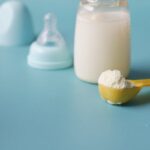
A sterilised bottle does not make incorrectly prepared formula safe. Powdered infant formula is not sterile. NHS guidance advises making fresh feeds with water still at least 70°C when mixed with powder, then cooling before feeding. A clean flask of freshly boiled water helps on journeys if the water remains sufficiently hot.
If safe powder preparation is impossible, unopened ready-to-feed liquid formula is a practical alternative. It still needs sterilised feeding equipment unless you use an appropriately packaged, single-use sterile feeding system. Review how to prepare formula safely before departure.
A practical packing checklist
Pack your chosen sterilising product or device, a dedicated bottle brush, washing supplies, clean caps, any necessary container and a separate bag for used equipment. Include spare teats and enough bottles for delays. If using tablets, keep the instructions to measure the solution correctly.
Test the routine at home first. Discovering that your portable steriliser cannot fit your bottles is easier in your own kitchen than in unfamiliar accommodation at midnight.
Frequently asked questions
Until what age should I sterilise bottles while travelling?
The NHS recommends sterilising all baby feeding equipment until at least 12 months of age. Being on holiday does not change that guidance.
Can I sterilise bottles in a hotel without a microwave?
Yes. Cold-water sterilising solution in a suitable covered container works if you wash equipment first and have appropriate clean water. Follow the product instructions and NHS minimum contact time.
Can I rinse a sterilised bottle under the tap?
Do not rinse it with ordinary tap water after sterilising. For cold-water solution, NHS guidance recommends shaking off the excess or rinsing with cooled boiled water.
Will bottles sterilised before departure last all holiday?
Not automatically. Protect assembled bottles and follow the steriliser manufacturer’s storage instructions. On longer stays, clean and sterilise bottles again after use.
Make the routine easy to repeat
Good travel feeding hygiene comes down to three habits: wash thoroughly, use a suitable sterilising method and protect clean equipment until the next feed. Match the method to your accommodation, keep dirty bottles separate and plan for delays. That preparation makes travelling with a bottle-fed baby much less stressful.