
Summer with a baby feels different from any other season. The days are brighter, routines shift outdoors, and even simple errands can suddenly involve sunscreen, shade, water bottles, and backup outfits. For parents, one of the most common warm-weather questions quickly becomes surprisingly complicated: what should a baby actually wear in the heat?
That is where a practical summer baby clothing guide becomes helpful.
Dressing babies during hot weather is not only about cute seasonal outfits or tiny sun hats, although those are hard to resist. Comfort, breathability, temperature regulation, and skin protection all matter far more than appearance alone. Babies cannot adjust to heat the same way adults can, which means clothing choices play a bigger role in keeping them comfortable throughout the day.
At the same time, summer parenting often involves a constant balancing act. Too many layers can lead to overheating. Too little coverage may leave delicate skin exposed to sunlight or irritation. Every parent eventually learns that summer baby clothing is less about strict rules and more about paying attention to comfort, weather conditions, and the baby’s cues.
And honestly, some days still involve trial and error.
Why Summer Clothing Matters More for Babies
Adults can usually recognize when they are getting too hot and make quick adjustments. Babies do not have that same ability. Their bodies regulate temperature differently, and they depend heavily on caregivers to keep them comfortable.
This is one reason summer clothing choices matter so much during infancy.
Overheating can happen faster in babies, especially during humid weather, direct sun exposure, or long periods in strollers and car seats where airflow is limited. Heavy fabrics or unnecessary layers can trap heat quickly.
At the same time, babies still need some level of protection from sun exposure, wind, air conditioning, and sudden weather changes. Summer temperatures can shift throughout the day, especially during mornings, evenings, or indoor transitions.
That balance between staying cool and staying protected becomes the core of every good summer baby clothing guide.
Parents often discover that simpler clothing usually works best. Soft breathable fabrics, lightweight layers, and loose-fitting outfits tend to keep babies more comfortable than overly styled or restrictive clothing.
Breathable Fabrics Make a Huge Difference
Fabric choice matters more in summer than almost any other season.
Natural breathable materials like cotton tend to work especially well because they allow airflow and absorb moisture gently against sensitive skin. Lightweight muslin fabrics are also popular for warm weather because they feel soft, airy, and less restrictive during hot days.
Babies sweat too, even if it is less noticeable at first. Thick synthetic fabrics can trap heat and moisture, leaving babies uncomfortable and sometimes irritable without obvious explanation.
This becomes especially noticeable during naps or stroller rides.
Many parents gradually learn to pay attention to how fabrics feel in their own hands before dressing the baby. If something feels heavy, stiff, or overly warm to an adult, it may feel even more uncomfortable to an infant.
Softness matters too. Summer heat can make skin more sensitive, especially around the neck, legs, or diaper area where friction and sweat collect throughout the day.
Comfort almost always outweighs style once temperatures climb high enough.
Less Clothing Is Often Better in Hot Weather
New parents sometimes worry that babies need more layers than they actually do during summer.
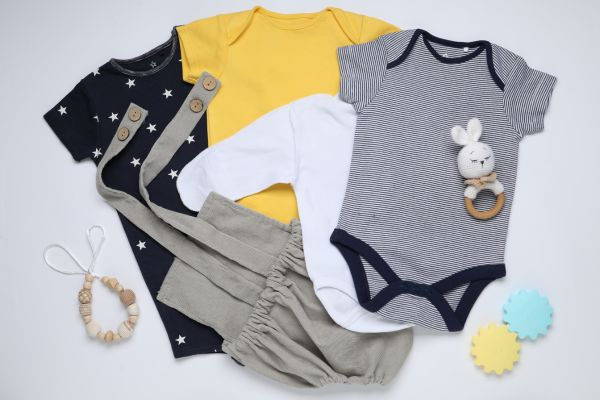
In reality, babies often feel most comfortable in very lightweight clothing during hot weather. A simple short-sleeved onesie, loose romper, or lightweight cotton outfit may be more than enough on especially warm days.
The instinct to overdress babies comes from understandable concern, but summer heat changes the equation.
A useful rule many parents follow is dressing babies similarly to how comfortable adults would dress in the same conditions, while still considering sun protection and airflow. If adults feel overheated in multiple layers, babies probably will too.
Of course, air-conditioned indoor spaces can complicate things slightly. Restaurants, stores, and cars sometimes feel surprisingly cold after being outside in the heat. Lightweight layers become useful in those situations because they are easy to add or remove quickly.
Summer baby clothing works best when it feels flexible rather than overly planned.
Sun Protection Changes Clothing Choices
Summer clothing is not only about temperature. Sun exposure becomes a major consideration as well.
Babies have extremely delicate skin, and direct sunlight can affect them quickly. Clothing often becomes the first line of protection during outdoor activities, especially for younger infants who should avoid prolonged sun exposure.
Lightweight long sleeves sometimes work surprisingly well in hot weather because they protect skin while still allowing airflow. Wide-brimmed hats also become almost essential during walks, park visits, or stroller outings.
Parents often discover that shade matters just as much as clothing itself.
A breathable outfit under direct sunlight may still feel too warm after extended exposure. Meanwhile, the same outfit in shaded areas may feel perfectly comfortable.
Summer baby clothing choices often depend heavily on environment, not only temperature.
Beach trips, backyard afternoons, stroller walks, and car rides all create slightly different conditions for babies to handle.
Sleepwear Requires Extra Attention During Summer
Baby sleepwear becomes another important part of warm-weather routines.
Summer nights can feel tricky because parents naturally worry about babies becoming either too hot or too cold while sleeping. Heavy sleep sacks or fleece pajamas that worked during colder months may suddenly become inappropriate during warmer temperatures.
Lightweight cotton pajamas or breathable sleep sacks designed specifically for summer usually feel more comfortable. Some babies sleep perfectly well in only a diaper and lightweight swaddle depending on room temperature.
Fans and air conditioning also influence sleepwear choices.
A room that feels cool to adults may feel chilly for lightly dressed babies overnight. At the same time, overheating during sleep is something parents try carefully to avoid.
This often leads to a cycle familiar to many parents: checking tiny hands, touching the back of the neck, adjusting layers, then wondering if the baby is comfortable enough anyway.
Summer parenting involves plenty of second-guessing, especially at bedtime.
Diaper Comfort Becomes More Important in Heat
Warm weather tends to magnify diaper-related discomfort.
Heat, sweat, and humidity can increase irritation around the diaper area, especially if clothing traps moisture against the skin. Lightweight outfits with breathable fabrics help reduce friction and improve airflow during hot days.
Loose-fitting clothing also tends to feel better than tight elastic waistbands or heavy layered outfits.
Some parents notice that diaper changes become more frequent during summer simply because babies sweat more and spend more time outdoors. Lightweight rompers or easy-access outfits make those changes less stressful, especially when traveling or spending time outside.
Practical clothing starts feeling far more valuable during summer than complicated outfits with difficult snaps or layers.
Outdoor Activities Require Flexible Clothing
Summer often means more time outside, which naturally changes how babies are dressed throughout the day.
Park visits, family gatherings, beach trips, outdoor naps, and stroller walks all create different clothing needs. Parents quickly learn that flexibility matters more than perfectly coordinated outfits.
A baby may start the morning wearing one outfit, switch after a diaper leak, change again after getting sweaty outdoors, and finish the day in lightweight pajamas before sunset.
That constant unpredictability becomes part of summer parenting.
Simple clothing pieces usually work best because they adapt easily to changing conditions. Easy layering, breathable fabrics, and comfortable fits matter far more than trend-focused styling.
Babies rarely care whether outfits match perfectly. They mostly care whether they feel comfortable.
Laundry Somehow Doubles During Summer
There is an unspoken truth about summer baby clothing that most parents eventually discover: warm weather creates far more laundry.
Sweat, sunscreen, spit-up, popsicles, fruit stains, grass marks, and water play all seem to multiply during summer months. Lightweight clothing helps babies stay comfortable, but it also tends to need frequent changing.
As a result, many parents shift toward practical clothing choices fairly quickly.
Easy-to-wash fabrics, durable materials, and simple everyday outfits often become favorites because they survive repeated use without requiring special care.
Summer wardrobes for babies do not need to be enormous, but having enough comfortable basics available definitely helps reduce stress.
Babies Usually Tell Parents When They Are Uncomfortable
One reassuring part of parenting is that babies tend to communicate discomfort fairly clearly, even without words.
A baby who feels overheated may become fussy, sweaty, flushed, or unusually restless. A baby who feels chilly may seem uncomfortable in different ways. Over time, parents become surprisingly skilled at recognizing those signals.
That is why the best summer baby clothing guide is never only about fixed rules or exact outfit formulas.
Every baby reacts slightly differently to heat, humidity, fabrics, and outdoor conditions. Some run warmer naturally. Others seem comfortable in slightly heavier layers even during summer.
Paying attention to behavior and comfort often works better than obsessing over perfect clothing combinations.
Parenting rarely feels exact anyway.
Conclusion
Dressing babies during summer is ultimately about comfort, balance, and flexibility. Lightweight fabrics, breathable clothing, sun protection, and simple layering all help babies stay comfortable as temperatures rise and routines shift outdoors.
A thoughtful summer baby clothing guide is less about fashion trends and more about understanding how babies respond to heat, airflow, and changing environments. Soft cotton fabrics, loose-fitting outfits, practical sleepwear, and weather-appropriate layers usually create the best balance between comfort and protection.
At the same time, summer parenting always includes a little unpredictability. Babies get messy, weather changes suddenly, and no outfit works perfectly for every situation. Most parents gradually learn that paying attention to the baby’s cues matters far more than following strict clothing rules.
In the end, summer with a baby is not really about perfectly styled outfits. It is about keeping little ones cool, comfortable, protected, and free to enjoy the warmth and brightness of the season in the simplest possible way.