
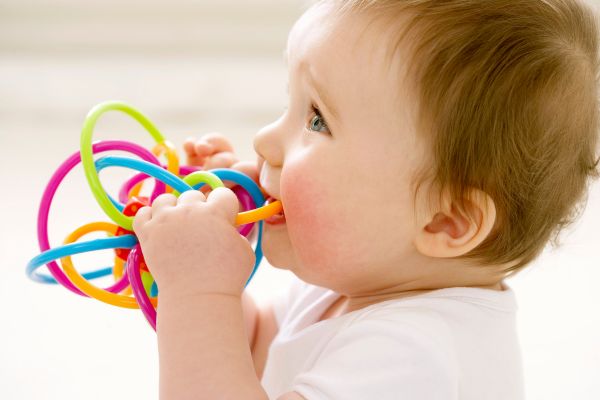
Teething can turn an ordinary day with a baby into a long, unpredictable stretch of drool, fussiness, and tiny hands reaching for anything they can chew. One moment your baby is smiling at you from the play mat, and the next they are gnawing on a bib, your finger, or the corner of a soft blanket. It is one of those baby stages that feels simple in theory but a little exhausting in real life.
For many parents, teething toys for babies become small everyday lifesavers. They do not magically stop teething pain, of course, but the right toy can give a baby something safe, soothing, and satisfying to bite on when their gums feel sore. And sometimes, that bit of comfort is exactly what a baby needs.
Choosing the best teething toy is not just about picking the cutest design. Babies explore the world through their mouths, so texture, material, size, grip, and safety all matter. A good teether should feel gentle on tender gums, be easy for little hands to hold, and be simple enough for parents to clean without turning it into another complicated baby-care task.
Why Babies Need Teething Toys
Teething usually begins around the middle of a baby’s first year, though every baby follows their own timeline. Some show signs early, while others seem to breeze through the first few months without much fuss. When teeth start moving under the gums, babies may drool more, chew constantly, become crankier than usual, or wake more often at night.
Chewing creates pressure on the gums, and that pressure can feel comforting. This is why babies naturally look for something to bite. A teething toy gives them a safer option than random household objects, fingers, clothing tags, or hard plastic items that were never made for chewing.
The best teething toys for babies are designed to meet this need without being too hard, too small, or too difficult to clean. They offer relief through gentle resistance, soft texture, or cooling comfort, depending on the type.
What Makes a Teething Toy Safe
Safety should always come first when choosing anything your baby puts in their mouth. A safe teething toy should be made from baby-friendly materials and should not have small parts that could break off. It should be large enough that your baby cannot fit the whole thing into their mouth, but not so large that it becomes frustrating to hold.
Many parents look for teethers made from food-grade silicone, natural rubber, untreated wood, or soft fabric. Each material has its own feel and purpose. Silicone is flexible and easy to clean. Natural rubber has a softer chew and often feels more comforting to babies who like a bit of bounce. Wooden teethers can be smooth and firm, though they need proper care and should always be checked for cracks. Fabric teethers are usually soft and familiar, especially for younger babies.
It is also wise to avoid teethers with liquid filling if there is any chance of leakage, especially if the product seems low quality or worn out. A teething toy should be replaced once it shows cracks, tears, sticky patches, loose parts, or any sign that it is no longer sturdy.
Soft Silicone Teethers for Everyday Comfort
Silicone teethers are among the most popular choices, and for good reason. They are soft enough for sensitive gums but firm enough to give babies the pressure they crave. Many come in simple shapes like rings, keys, animals, or textured loops. The flexible surface makes them comfortable for babies who are just beginning to chew.
One useful thing about silicone teethers is that they are usually easy for parents to wash. Some can be cleaned with warm soapy water, and many are dishwasher-safe, depending on the manufacturer’s instructions. Since teething toys often fall on the floor, disappear into diaper bags, and end up under stroller blankets, easy cleaning is not a small detail.
Texture matters here too. Some babies like smooth surfaces, while others prefer little ridges or bumps that massage the gums. A teether with mixed textures can be helpful because babies may chew different parts depending on where the discomfort is strongest.
Cooling Teethers for Sore Gums
A chilled teether can feel especially soothing when gums are swollen or tender. Cooling teethers are usually placed in the refrigerator before use, then given to the baby once they are cool but not frozen. The cool surface can calm irritation and make chewing more comfortable for a short period.
It is important not to freeze teethers unless the product clearly says it is safe to do so. A frozen teether may become too hard and could hurt delicate gums. Refrigerator-cool is usually enough. Think cool and calming, not icy and stiff.
Cooling teethers work best when they are easy to grip. Some chilled toys become slippery with drool, so a ring-shaped or handle-style design may be easier for a baby to manage. Parents often keep two teethers in rotation, one being used and one chilling in the fridge, which can make the day feel a little smoother.
Teething Rings That Are Easy to Hold
A classic teething ring remains one of the simplest and most practical options. Babies can hold it with both hands, turn it around, and chew from different angles. The round shape is familiar and easy to manage, especially for babies who are still developing hand control.
Teething rings come in silicone, rubber, wood, and sometimes fabric-covered designs. The best one depends on your baby’s preference. Some babies like the softness of silicone, while others seem to enjoy a firmer surface. There is no perfect single choice for every baby, which is why parents often try a couple of styles before finding the one their baby reaches for again and again.
A good teething ring should not be too heavy. Babies can accidentally drop toys onto their face while lying down, so lightweight options tend to be more comfortable for everyday use.
Teething Mittens for Younger Babies
Some babies want to chew but cannot hold a teether well yet. That is where teething mittens can help. These small mitt-style teethers slip over a baby’s hand and usually include a soft silicone chewing surface. Since the teether stays attached to the hand, it is easier for younger babies to bring it to their mouth.
Teething mittens can be especially useful during the stage when babies constantly chew their fists. Instead of soaking their sleeves and hands all day, they get a safer textured surface to mouth. Still, parents should make sure the mitten fits properly and does not feel too tight or bulky.
Like all fabric-and-silicone baby items, teething mittens need regular washing. Drool builds up quickly, and anything worn on the hand can pick up lint, milk residue, or floor dust.
Wooden Teethers for Firm Pressure
Wooden teethers have a natural simplicity that many parents appreciate. They are usually smooth, solid, and free from bright plastic designs. Babies who enjoy firm pressure may like wooden teethers because they do not bend the way silicone does.
However, wooden teethers require a little extra attention. They should be made from safe, untreated, baby-friendly wood and should be sanded smooth. Parents should inspect them often for cracks, splinters, or rough patches. They also should not be soaked in water for long periods, as this can damage the wood.
For some babies, wooden teethers are too hard during the early teething stage. For others, especially once stronger chewing begins, they feel just right. As with many baby products, your baby’s reaction will tell you more than the packaging ever could.
Teething Toys With Built-In Sensory Features
Many modern teething toys are designed to do more than soothe gums. Some include soft rattles, crinkle fabric, bright colors, or different textures to encourage sensory play. These can be helpful because teething babies are often restless and easily distracted.
A toy that combines chewing with gentle play may keep a baby engaged longer. For example, a soft teething toy with crinkly fabric can offer both sound and texture, while a silicone teether shaped like a small animal may be fun to grip and explore.
Still, simpler is often better for babies. Too many attached parts can make cleaning harder and may create safety concerns if pieces loosen over time. A good sensory teether should feel sturdy, washable, and thoughtfully designed.
How to Clean Teething Toys Properly
Teething toys spend a lot of time in a baby’s mouth, so cleaning them regularly is essential. Most silicone and rubber teethers can be washed with mild soap and warm water. Some may be safe for the top rack of the dishwasher, but it is always best to check the care instructions first.
Fabric teethers and mittens usually need more frequent washing because they absorb drool. Wooden teethers should be wiped clean rather than soaked. If a toy falls on a public floor, gets covered in food, or has been sitting at the bottom of a diaper bag, it should be cleaned before going back into your baby’s mouth.
Parents do not need to panic over every tiny bit of dust, but teething toys do need basic hygiene. Keeping a clean spare in the diaper bag can make outings much easier.
When Teething Toys Are Not Enough
Teething toys can help, but they cannot fix every fussy moment. If your baby seems extremely uncomfortable, refuses feeds, has a high fever, develops unusual symptoms, or cries in a way that feels different from normal teething fussiness, it is best to speak with a healthcare professional.
Teething may cause drooling, chewing, gum tenderness, and irritability, but not every symptom should be blamed on teeth. Babies can be teething and sick at the same time, which makes it important to watch the whole picture.
Comfort can also come from simple things: extra cuddles, a clean cool washcloth to chew under supervision, gentle gum massage with a clean finger, or a calmer routine when your baby seems overwhelmed. Sometimes the best support is a mix of practical tools and patient care.
Choosing the Right Teething Toy for Your Baby
The right teething toy is the one your baby actually uses, and that may take a little experimenting. Some babies love chilled silicone rings. Others prefer a soft mitten, a textured toy, or a firm wooden teether. A baby who rejects one style may adore another a week later.
When choosing teething toys for babies, focus on safety, comfort, and ease of cleaning. Look for sturdy materials, thoughtful design, and a size that suits your baby’s age and grip. Avoid anything with loose parts, strong chemical smells, sharp edges, or complicated pieces that cannot be cleaned well.
It also helps to keep expectations realistic. A teether may calm your baby for a while, but teething comes in waves. Some days will be easier than others. That does not mean the toy is not working; it simply means your baby is moving through a normal but uncomfortable stage.
A Gentle Conclusion on Teething Comfort
Teething is one of those baby milestones that asks a lot from everyone in the house. Babies feel uncomfortable and confused. Parents try to guess what will help. Sleep may get interrupted, bibs may pile up, and suddenly every object within reach looks like a chew toy.
The right teething toys for babies can make this stage gentler. They give babies a safe way to chew, explore, and soothe tender gums while giving parents a little peace of mind. Whether your baby prefers soft silicone, a cooling ring, a teething mitten, or a simple wooden shape, the goal is the same: comfort, safety, and a little relief during a tender season of growth.
Teething does pass, even when it feels endless in the moment. With a few safe toys, regular cleaning, and plenty of patience, you can help your baby move through it with more comfort and a lot more calm.