
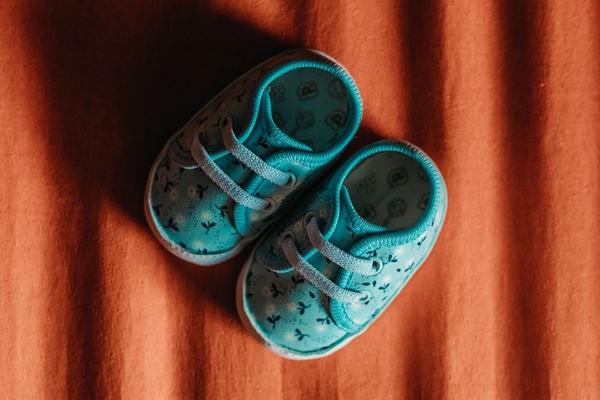
Buying baby clothes should feel simple, yet the labels can quickly become confusing. One shop offers “first size”, another starts at “newborn”, and a third groups everything into 0–3 months. Add rapid growth, and choosing the right fit becomes surprisingly difficult. This baby clothing size guide explains how UK sizing usually works, how to compare age with height and weight, and what to do when your baby sits between sizes.
How UK baby clothing sizes work
Most UK baby clothing is labelled by age, such as newborn, 0–3 months or 3–6 months. Age is only a starting point. The fit is generally based on estimated height and weight, and measurements vary between retailers. Two sleepsuits with the same age label may therefore fit differently.
For a more reliable choice, compare your baby’s current weight and length with the brand’s size guide. Height matters especially for sleepsuits, trousers and all-in-ones, while weight is useful for close-fitting layers. When your baby is near the top of a range, moving up usually gives better growing room.
Baby clothing size guide by age, height and weight
The ranges below reflect common UK sizing conventions, but they are approximate rather than universal. Always check the product-specific chart before ordering, especially for fitted nightwear, coats or special-occasion outfits.
Tiny baby and first size
Tiny baby or 5 lb clothing is generally designed for babies around 2.3 kg and approximately 44 cm long. First size often suits babies up to about 3.4 kg and 50 cm. These options can be useful for premature or low-birth-weight babies, although parents should follow any advice given by their neonatal team.
Newborn and up to one month
Newborn clothes size varies more than many parents expect. A common “up to one month” guide is around 4.5 kg and 56 cm, although some newborn ranges are smaller. If your baby is expected to be larger, buying mostly 0–3 month clothing may offer better value. Keep only a modest number of newborn essentials until you know the fit.
Up to three months
Clothing labelled up to three months or 0–3 months commonly covers roughly 4.5–6 kg and 56–62 cm. Check that sleepsuit feet are not pulling against the toes, poppers close without strain and the neckline stays comfortably in place.
Three to six months
A typical 3–6 month range is designed for babies around 6–8 kg and 62–68 cm. Some babies need the next size because of length, while others remain in the same age band longer. Stretchy cotton and adjustable waistbands make clothing more forgiving.
Six to nine months
Many UK charts place 6–9 month clothing at approximately 8–9.5 kg and 68–74 cm. Clothes should allow your baby to roll, sit, crawl and kick without tight waistbands, restrictive seams or fabric pulling across the shoulders.
Nine to twelve months
The 9–12 month size commonly suits babies around 9.5–11 kg and 74–80 cm. Consider the garment shape as well as the label. A roomy jumper may last longer, while a fitted sleepsuit may be outgrown quickly. Babies wearing reusable nappies may also need more space around the seat.
Twelve to eighteen months
Clothing marked 12–18 months is often based on a height of about 80–86 cm. As babies move into toddler-style clothes, charts may rely more on height, chest and waist measurements than weight.
What size should your baby wear?
The best size is the one that fits comfortably now while leaving sensible growing room. Clothes should not dig into the skin, restrict movement or leave deep marks. Equally, oversized items can bunch around the face, create trip hazards when a baby starts standing, or leave sleeves and legs awkwardly long.
For bodysuits, check that the poppers fasten without pulling and the leg openings lie smoothly. For sleepsuits, make sure your baby can fully extend their legs and move their toes. Tops should stay below the tummy, while trousers should fit over the nappy without a tight waistband.
Should you size up?
Sizing up is sensible when your baby is between measurements, close to the upper limit of a chart or growing quickly. It also works well for jumpers, coats and clothing worn over layers. Avoid buying several sizes ahead in large quantities. Growth is unpredictable, and an outfit bought for later may be the wrong size for the season when it fits.
How many newborn essentials do you need?
Babies grow quickly, so a compact wardrobe is usually more useful than drawers full of one small size. Several vests and sleepsuits, a couple of light cardigans and suitable outdoor layers are a practical starting point. You need enough clean options for spills and nappy changes, but not dozens of outfits.
Temperature matters as much as size. NHS guidance says lightweight cotton and a single layer may be enough in hot weather. In colder daytime conditions, a common rule is to give a newborn one extra layer compared with an adult. For sleep, avoid overheating; the NHS advises that 16–20°C is a comfortable room temperature for sleeping babies.
How to reduce sizing mistakes and returns
Measure your baby shortly before ordering, because figures from a few weeks ago may already be outdated. Compare height and weight with the retailer’s chart and note whether the product is described as slim, relaxed or oversized. Keep tags attached until you are confident about the fit.
Organise clothes by actual fit rather than label. A generous newborn sleepsuit from one brand may match a smaller 0–3 month style from another. Sorting items into “fits now”, “next size” and “too small” groups prevents useful pieces from being forgotten.
Frequently asked questions
Is newborn the same size as 0–3 months?
No. Newborn clothing is normally smaller and intended for the earliest weeks, while 0–3 month clothing covers a broader height and weight range. Compare measurements rather than relying only on the wording.
Should I buy newborn or 0–3 month clothes?
A small selection of both is practical. Choose more newborn pieces if your baby is expected to be smaller, but avoid overbuying because some babies move into 0–3 month clothing very quickly.
Is weight or age more accurate?
Weight and height are usually more helpful than age. Age bands are averages, while current measurements give a better indication of fit. Height is particularly important for full-length garments.
How do I know clothes are too small?
Look for stretched poppers, tight cuffs, red marks, toes pressing into sleepsuit feet or restricted movement. Move up when clothing no longer sits comfortably, even if your baby has not reached the next age band.
Choosing the right baby clothing size
A baby size chart is a helpful guide, not a rulebook. Use age as a quick reference, then check height, weight, garment shape and comfort. Buy modest quantities, keep the next size ready and remember that moving up earlier or later than the label suggests is normal. The right size is the one that lets your baby move, rest and grow comfortably.