
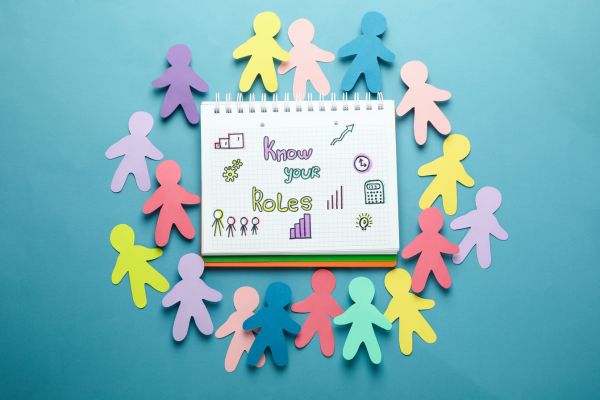
Family is one of those words that means something a little different to everyone. For some, it’s a big household full of noise, opinions, and shared meals. For others, it’s a quiet unit built on trust and mutual support. No matter what it looks like, one thing remains true: Family roles and responsibilities play a huge part in how healthy, happy, and functional that family becomes.
Let’s be real for a second. Family life doesn’t come with a rulebook. Most of us figure things out as we go, sometimes smoothly, sometimes through trial and error. Still, understanding family roles and responsibilities can make everyday life feel less chaotic and a lot more meaningful.
Understanding Family Roles and Responsibilities in Everyday Life
At its core, family roles and responsibilities refer to how each person contributes to the household emotionally, practically, and socially. These roles aren’t fixed job titles. They evolve with time, age, culture, and circumstances. What matters most is balance.
In a well-functioning family, responsibilities are shared in a way that feels fair, even if it’s not perfectly equal. One person might handle finances, another emotional support, while someone else takes charge of daily routines. The thing is, when roles are clear, confusion and resentment tend to fade into the background.
That clarity also creates a sense of belonging. Everyone knows they matter. Everyone knows their effort counts.
The Role of Parents as Leaders and Guides
Parents often take on the most visible roles in a family. They’re usually the planners, the protectors, and the problem-solvers. But their most important responsibility goes far beyond providing food or shelter.
Parents shape values. Through their actions, kids learn what respect looks like, how conflicts are handled, and why kindness matters. Even on the messy days, especially on those days, children are watching.
Another key part of parental family roles and responsibilities is emotional availability. Being present doesn’t mean being perfect. It means listening, admitting mistakes, and showing kids that emotions are normal, manageable, and worth talking about.
And yes, parents are also role models for responsibility itself. When children see adults following through on commitments, managing stress, and treating others fairly, those lessons stick. Long after the lectures are forgotten.
Children’s Roles Within the Family Structure
Children aren’t just passive members of a household. They play active roles, even from a young age. Their responsibilities may be smaller at first, but they’re still meaningful.
Helping with simple tasks, respecting rules, and learning how to communicate needs are all part of a child’s role in family life. These responsibilities help build confidence and independence over time.
As kids grow older, their family roles and responsibilities expand. They may help care for younger siblings, contribute to household chores, or support parents emotionally during tough times. And while it’s important not to overload them, giving kids responsibility shows trust. That trust can be incredibly empowering.
You know what’s interesting? Kids who feel useful at home often carry that sense of responsibility into school, friendships, and future work environments.
Shared Responsibilities and Teamwork at Home
A strong family doesn’t operate on a strict hierarchy all the time. It works more like a team. Shared responsibilities are where teamwork really shines.
When everyone pitches in, even imperfectly, it builds mutual respect. Cleaning, cooking, decision-making, and problem-solving become shared experiences rather than sources of tension. And honestly, doing things together often strengthens relationships in unexpected ways.
Family roles and responsibilities aren’t about control. They’re about cooperation. When family members communicate openly about expectations, misunderstandings are easier to resolve. No one feels taken for granted, and everyone feels heard.
The key is flexibility. Life changes. Work schedules shift. Energy levels fluctuate. Families that adapt their roles instead of clinging to rigid expectations tend to thrive in the long run.
Emotional Responsibilities That Hold Families Together
Beyond chores and routines, there’s another layer of family roles and responsibilities that often goes unnoticed. Emotional responsibility.
This includes offering support during difficult moments, celebrating each other’s wins, and creating a safe space where feelings are respected. Emotional responsibility isn’t just for parents. Children, teens, and even extended family members play a role here.
Being emotionally responsible means checking in, apologizing when needed, and choosing empathy over blame. It’s the quiet backbone of a healthy family.
And sure, emotions can get messy. Arguments happen. Feelings get hurt. But families that acknowledge emotions instead of ignoring them tend to heal faster and grow stronger over time.
How Culture and Values Influence Family Roles
Family roles and responsibilities don’t exist in a vacuum. Culture, traditions, and beliefs shape how families function. In some cultures, responsibilities are clearly divided by age or gender. In others, roles are more fluid and shared.
Neither approach is inherently right or wrong. What matters is whether the system works for the people involved. Respecting cultural values while also adapting to modern realities is often a delicate balance.
Values like respect for elders, independence, cooperation, or spirituality often guide how responsibilities are assigned. These values become part of the family identity and influence how future generations approach relationships.
The thing is, families aren’t static. They evolve. And roles that worked in one phase of life might need rethinking later on.
Adapting Family Roles During Life Changes
Life has a way of shaking things up. New jobs, moving homes, illness, financial stress, or the arrival of a new family member can all disrupt established roles.
During these times, flexibility becomes essential. Family roles and responsibilities may shift temporarily or permanently. A child might take on more responsibility. A parent might need extra support. And that’s okay.
What matters most during transitions is communication. Talking openly about changes helps prevent resentment and confusion. It also reinforces the idea that everyone is in this together.
Families that view change as a shared challenge, rather than an individual burden, tend to come out stronger on the other side.
Teaching Responsibility Through Everyday Moments
Responsibility isn’t taught in one big conversation. It’s learned through everyday experiences. Small moments. Repeated actions.
When family members see accountability in action, they learn it naturally. When mistakes are handled with honesty instead of fear, responsibility becomes less intimidating.
Family roles and responsibilities serve as a training ground for life. The skills learned at home, like cooperation, empathy, and problem-solving, don’t stay there. They show up in friendships, workplaces, and future families.
And honestly, that’s one of the most powerful things about family life. It shapes who we become, often without us realizing it at the time.
Creating Balance Without Perfection
Here’s the truth. No family gets it right all the time. Roles overlap. Responsibilities fall through the cracks. People get tired, frustrated, or overwhelmed.
Balance doesn’t mean perfection. It means effort. It means adjusting when something isn’t working and giving each other grace along the way.
Healthy family roles and responsibilities are built on mutual respect, not rigid rules. They allow room for individuality while still supporting the collective good.
Sometimes balance looks like stepping up. Other times, it looks like stepping back. And often, it’s a mix of both.
Final Thoughts on Family Roles and Responsibilities
At the end of the day, family roles and responsibilities are less about who does what and more about how people show up for each other. They create structure, yes, but they also build connection.
When roles are clear, flexible, and rooted in respect, families feel safer and more supportive. Everyone knows they matter. Everyone knows they belong.
So whether your family is big or small, traditional or modern, the goal remains the same. Work together. Communicate honestly. Adjust when needed. Because when family roles and responsibilities are shared with care, the home becomes more than just a place. It becomes a foundation for life.